← The galleryPawMotifPORTRAITS OF OUR COMPANIONSPhoto guide ↗

ONE PET / TWO STYLES / THREE LAYOUTS

See how one familiar face changes in portrait form.

These three recorded PawMotif outputs were made from the same pet photo. Two use the Monochrome style with different panel layouts; one uses the Botanical style as a single portrait. Compare the details you recognize, then decide which composition feels right for your own pet.

Shared with the pet owner’s permission. This is an example, not a customer review or a promise that another photo will produce the same result.

Compare the portrait options ↓

THE REFERENCE PHOTO

Start with the same face.

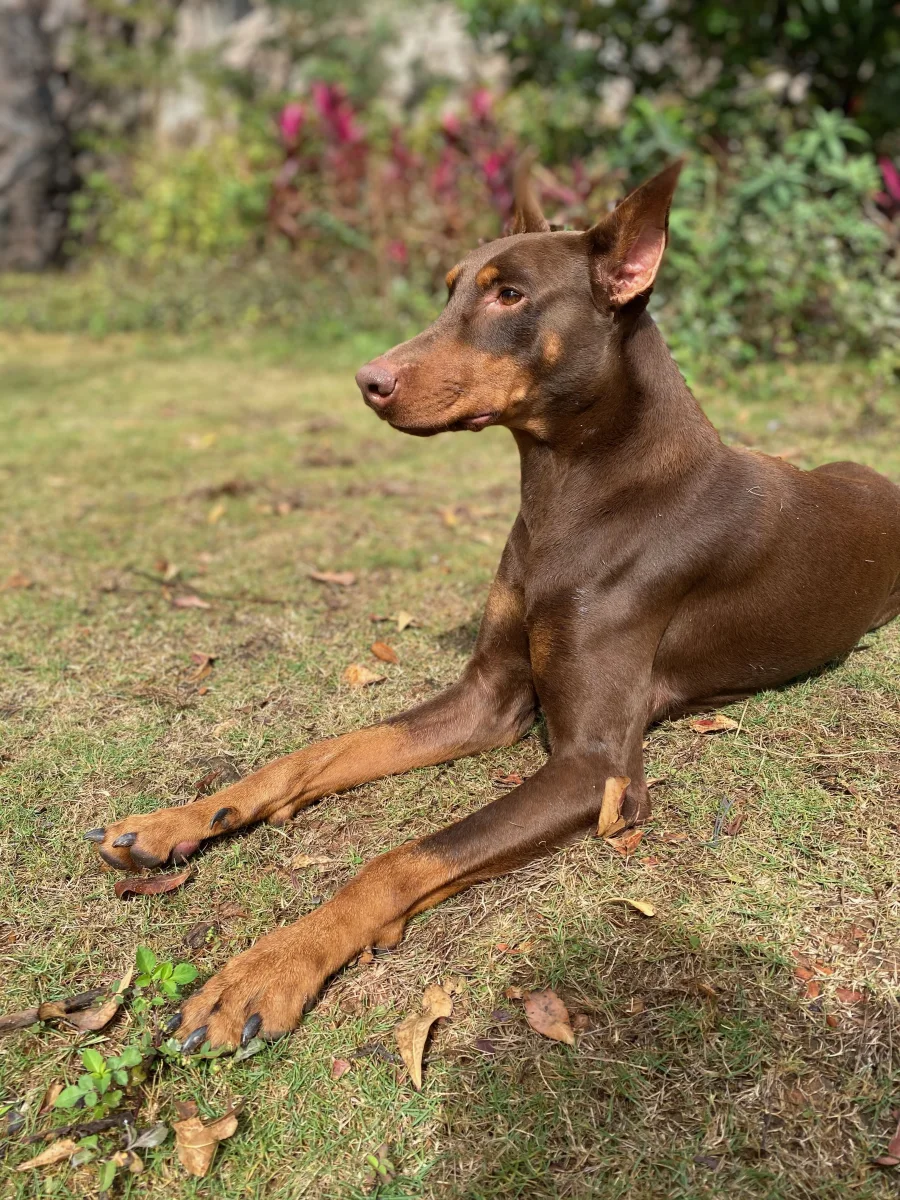
Each output below used this one photo of a brown dog. The photo is a reference, not a guarantee that every marking, pose, or edge will stay unchanged.

Read the pet photo guide →
Reference photo of a brown dog, used for all three portrait examples
One source photo · shared with the pet owner’s permission

SIDE-BY-SIDE EXAMPLES

Two styles, three compositions.

The descriptions below point to visible details in these historical examples. Image generation can redraw small features, and a new preview may differ.

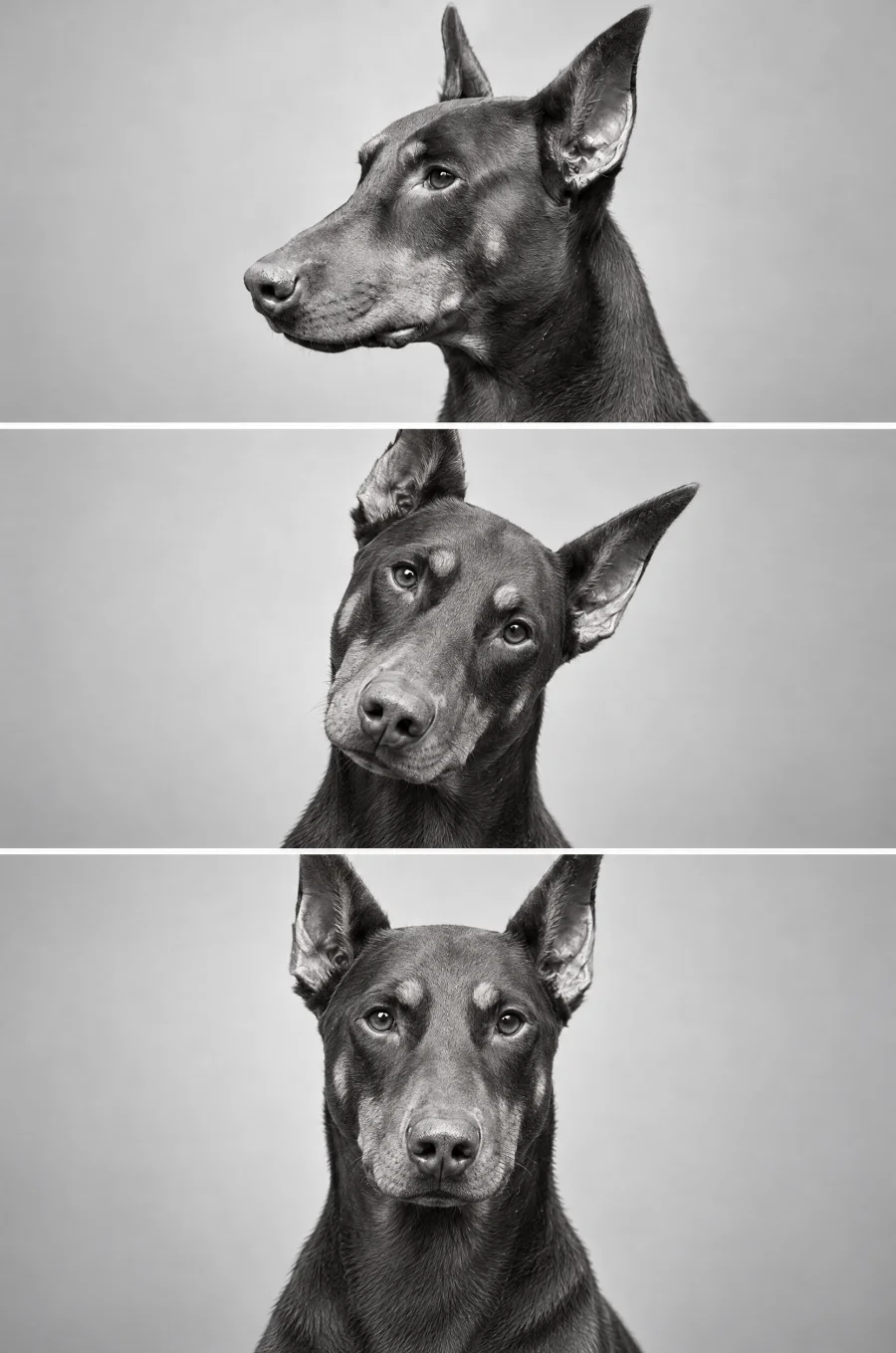
Monochrome portrait example arranged as three panels with different poses of the same brown dog
Three-moods · generated October 2026

MONOCHROME · THREE POSES

Three Little Moods

Look for: a side pose, a head tilt, and a forward-facing pose across three horizontal panels. The coat is rendered in monochrome.

Keep in mind: one panel in this historical example crops an ear tip. The template’s framing instruction has since been updated; each new preview still needs its own review.

Portrait triptych · three expressions in one artwork.
Explore the Three Little Moods option →
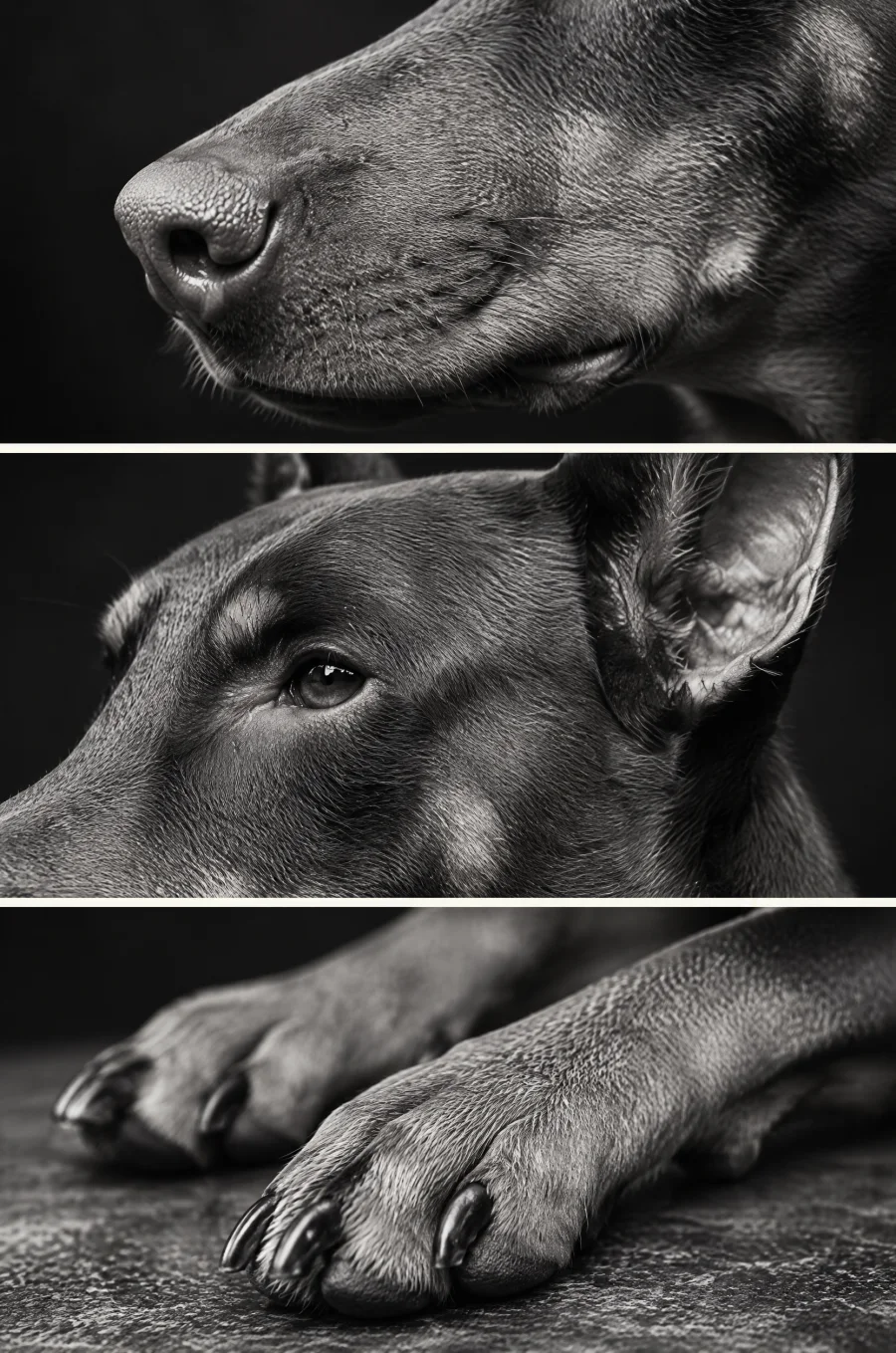
Monochrome portrait example arranged as nose, eye and cheek, and paw detail panels of the same brown dog
Little-details · generated October 2026

MONOCHROME · CLOSE-UP PANELS

The Little Things

Look for: a nose and muzzle, an eye and cheek, then a paw. Close-up features are redrawn by the image model rather than copied pixel for pixel.

How it differs: this is also Monochrome. The main difference from Three Little Moods is the close-up composition, not a separate style.

Portrait triptych · three details in one artwork.

Explore The Little Things option →
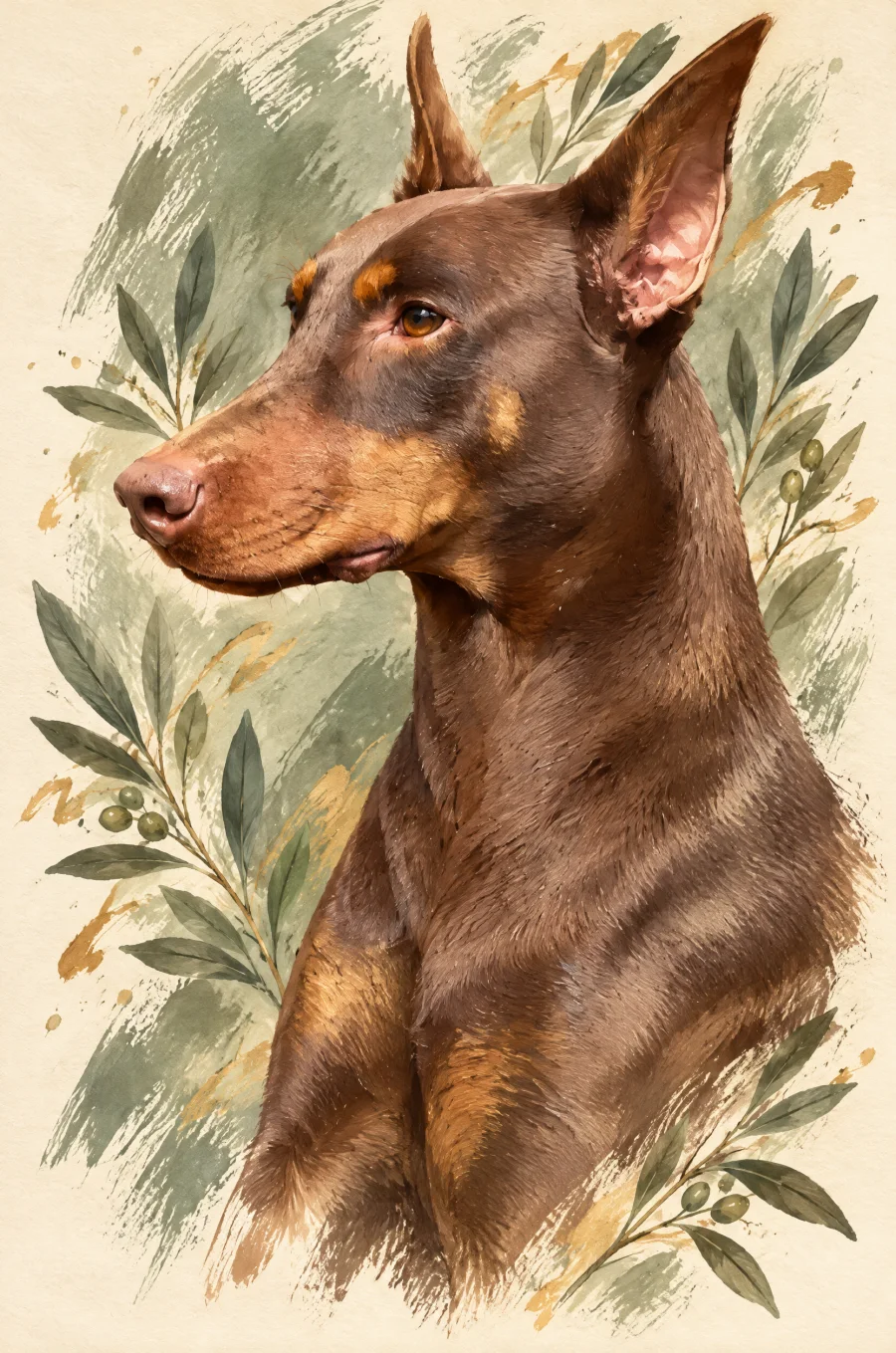
Botanical portrait example of the same brown dog with sage brushwork on warm paper
Golden · generated October 2026

BOTANICAL · SINGLE PORTRAIT

The Sunny One

Look for: the brown coat, amber-toned eyes, long muzzle, upright ears, warm paper, and sage botanical marks against the side-view reference.

Keep in mind: compare the coat color and outer silhouette, while allowing for small changes in fur and edge details.

Single portrait · one subject with botanical accents.

Explore the Botanical portrait option →

CHOOSE BY MOOD AND LAYOUT

Which portrait feels more like them?

Expressions in panels

Three Little Moods uses three poses in a monochrome triptych. Check every panel’s framing, especially ears and the space around the head.

Small details up close

The Little Things uses nose, eye, and paw panels. Decide whether a close-up layout fits the features you want to notice.

Color with botanical marks

The Sunny One uses a single portrait with botanical accents. Compare the coat color and face outline with your photo.

Start with a clear photo, then review the preview made from your own image before purchasing. Prepare a photo →

These are three actual outputs from one historical test batch, shared with permission. They are not customer testimonials and do not show a typical or guaranteed result. PawMotif sells digital portraits; frames in the gallery are presentation mockups.
PawMotifPhoto guidePrint guideGift guidePrivacysupport@pawmotif.com